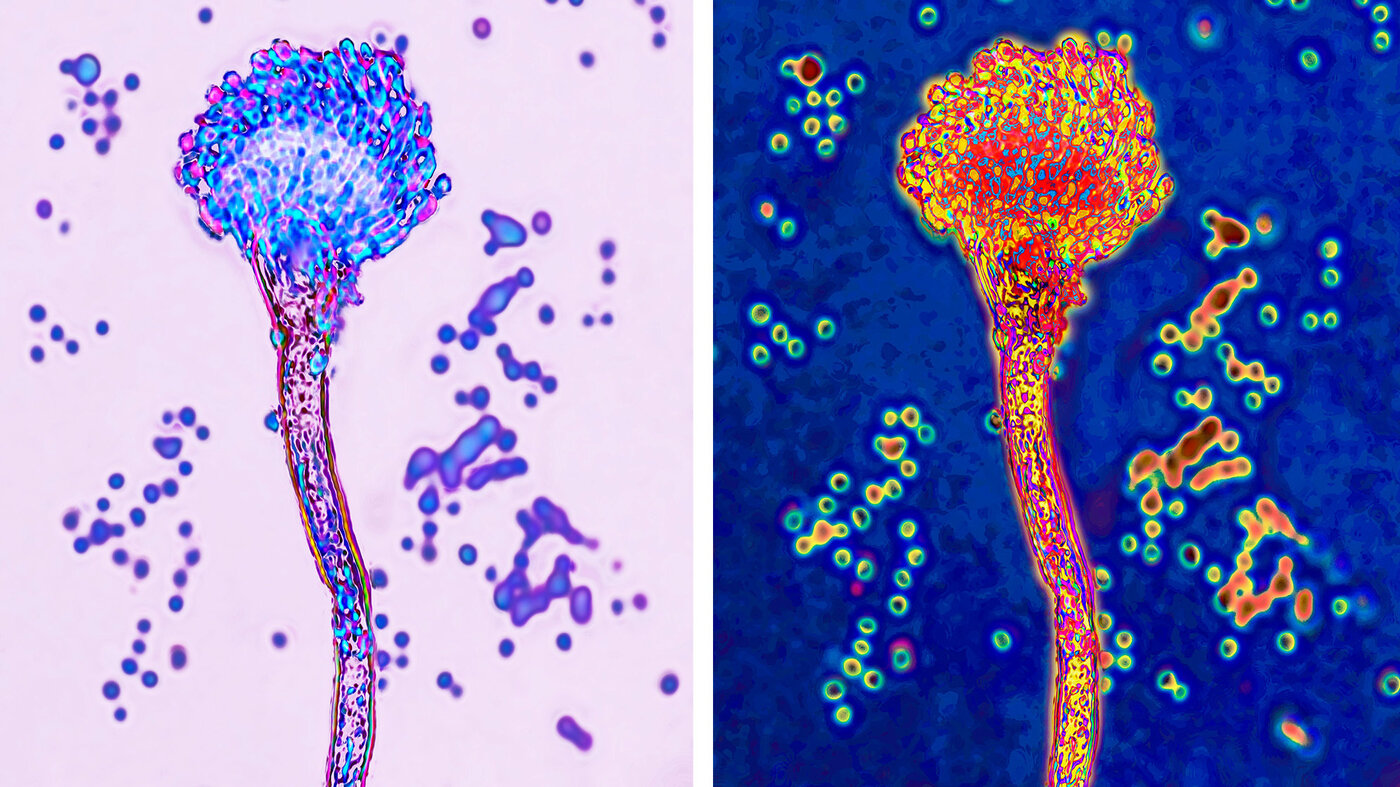
When you hear "deadly fungi," your mind might conjure images of vibrant red toadstools with white spots or perhaps tricky wild mushrooms that can spoil a foraging adventure. However, the reality of the most dangerous fungi diseases is far more insidious and, alarmingly, often invisible. Far from the folklore, these microscopic pathogens have long been the 'forgotten' realm of infectious diseases, overshadowed by bacteria and viruses. Yet, in an increasingly complex world, these silent invaders are stepping out of the shadows, presenting a growing and profound threat to global health.
For decades, humanity largely enjoyed a natural defense against widespread fungal infections: our immune systems and our relatively high body temperature created an inhospitable environment for most fungal species. While millions of fungal species exist in our environment, only a few hundred have historically been capable of causing human illness. These infections ranged from irritating skin conditions to more serious, but typically contained, systemic diseases, primarily affecting individuals with compromised immune systems. However, this protective barrier appears to be eroding, and the once-distant concern of dangerous fungi diseases is now an urgent global priority.
The Historically Underestimated Threat of Fungi
Historically, our perception of infectious diseases has been dominated by bacteria and viruses, leaving fungi largely overlooked in medical research and public health initiatives. This neglect stemmed partly from the effective natural defenses humans possessed. Our robust immune systems are adept at identifying and neutralizing fungal invaders, and critically, our body temperature of around 37°C (98.6°F) acts as a "thermal exclusion zone" for most fungi. This means the vast majority of fungal species simply cannot survive or proliferate at human body temperature, keeping them largely confined to the cooler external environment or specific niches.
Consequently, severe fungal infections, known as mycoses, were primarily observed in specific vulnerable populations. Individuals with weakened immune systems – such as transplant recipients, cancer patients undergoing chemotherapy, those with HIV/AIDS, or people on immunosuppressive medications – have always been at a significantly higher risk. For these groups, a seemingly innocuous fungal exposure could lead to life-threatening systemic infections, attacking vital organs. Even in healthy individuals, some fungi can cause common, albeit less severe, conditions like athlete's foot, ringworm, or yeast infections. Yet, the widespread, deadly potential of fungi remained largely dormant for the general population, creating a false sense of security that has begun to unravel.
Candida auris: A Harbinger of a New Era of Fungal Pathogens
Perhaps no single fungus exemplifies the rapidly escalating concern over dangerous fungi diseases more clearly than Candida auris. This microscopic yeast was virtually unknown to humanity before its first documented appearance in 2009. What followed was an alarming, independent emergence across three continents—Venezuela, South Africa, and the Indian subcontinent—between 2010 and 2012, with subsequent outbreaks in Iran and Russia. The crucial point here is the word "independent"; this wasn't a case of global travel disseminating a single strain, but rather multiple, distinct origins, suggesting a broader environmental shift at play.
Candida auris is a formidable adversary for several reasons. Primarily, it exhibits multi-drug resistance, often proving resistant to two or even all three major classes of antifungal medications currently available. This severely limits treatment options, making infections incredibly difficult to manage. Furthermore, it has a terrifying ability to persist on surfaces in healthcare environments, attaching tenaciously to beds, railings, and medical equipment. This makes it notoriously difficult to eradicate once it infiltrates a hospital, contributing to outbreaks and placing already vulnerable patients at severe risk. Last year, the identification of a new clade (variant) in Singapore further underscored its adaptive potential, leading the World Health Organization (WHO) to label it a "critical pathogen."
While healthy individuals are not currently considered at high risk from C. auris, it poses an existential threat to anyone who is debilitated or immunosuppressed, particularly in hospital settings. Its emergence highlights a worrying trend: fungi developing the ability to survive and thrive at human body temperatures, even becoming resistant to our last lines of defense. For a deeper dive into this urgent issue, read more about Candida auris: Why This Invisible Fungus is a Global Health Crisis.
Climate Change: Fueling Fungal Evolution
The independent global emergence of Candida auris, and the broader rise in dangerous fungi diseases, cannot be fully understood without considering one of the most significant environmental changes of our time: global warming. For millions of years, the relatively stable temperature of the human body offered a sanctuary from fungal invasion. Fungi, being largely ectothermic, thrive in cooler conditions, and our internal warmth historically created a natural barrier, a "thermal exclusion zone," preventing them from establishing widespread infections.
However, as the Earth's climate warms, fungi are being subjected to immense evolutionary pressure. To survive, they must adapt to higher temperatures or perish. The prevailing scientific theory is that this environmental adaptation is enabling some fungal species to bridge the temperature gap, evolving the capacity to tolerate and even grow at human body temperatures. Essentially, fungi are "practicing" for our internal environment in the warming external world. This alarming adaptation means that species previously incapable of causing human disease are now gaining the thermal tolerance necessary to infect us.
The fungal kingdom boasts millions of species, many of which are potent pathogens to plants, insects, and cold-blooded vertebrates. The concern is that if these highly pathogenic fungi continue to adapt to warmer environments, they could potentially develop the ability to infect humans. This scenario would introduce a vast new array of dangerous fungi diseases, for which we have little defense. The implications of this thermal adaptation, driven by climate change, are profound, suggesting a future where our natural immunity against fungi is significantly undermined. To understand more about this critical link, explore Global Warming: How Fungi Are Becoming a New Deadly Threat.
Identifying and Combating Dangerous Fungi Diseases
The growing threat of dangerous fungi diseases is compounded by significant challenges in diagnosis and treatment. Unlike bacterial infections, which often respond to broad-spectrum antibiotics, fungal infections require specific antifungal agents, and our current arsenal is limited. Moreover, symptoms of fungal infections can often be non-specific, mimicking bacterial or viral illnesses, leading to misdiagnosis and delayed treatment – precious time lost when dealing with rapidly progressing systemic infections.
Diagnostic Hurdles and Treatment Limitations
- Lack of Awareness: Healthcare providers, conditioned to prioritize bacterial and viral threats, may not immediately consider a fungal infection, especially in less obvious cases.
- Slow and Complex Diagnostics: Identifying specific fungal pathogens can be time-consuming, relying on cultures that grow slowly or specialized molecular tests not always readily available.
- Limited Antifungal Classes: We have far fewer classes of antifungal drugs compared to antibiotics, and resistance to these limited options is a rapidly emerging problem, as seen with Candida auris.
- Toxic Side Effects: Many effective antifungal drugs can have significant side effects, limiting their use or requiring careful monitoring.
What Can Be Done? Practical Steps and Future Directions
Addressing this rising threat requires a multi-faceted approach, encompassing research, public health initiatives, and individual awareness:
- Enhanced Surveillance and Research: There is an urgent need for global surveillance networks to track emerging fungal pathogens and resistance patterns. Increased funding for basic and clinical research into fungal biology, new diagnostics, and novel antifungal therapies is paramount. The WHO's recent priority list of 19 critical fungal pathogens is a vital step in directing global attention and resources.
- Improved Diagnostics: Developing rapid, accurate, and affordable diagnostic tests that can quickly identify fungal infections and their resistance profiles will be crucial for timely and effective treatment.
- Antifungal Stewardship: Similar to antibiotic stewardship, programs focused on the judicious use of existing antifungal drugs can help preserve their effectiveness and slow the development of resistance.
- Infection Control: For healthcare settings, stringent infection control practices, including thorough cleaning and disinfection, are vital to prevent the spread of highly persistent fungi like Candida auris.
- Individual Awareness: While the general public faces a lower risk than immunocompromised individuals, awareness is key. For those at higher risk (e.g., undergoing chemotherapy, living with diabetes or HIV), understanding personal risk factors and seeking medical attention for persistent or unusual symptoms is important. Maintaining good hygiene and avoiding exposure to environments with high fungal loads (e.g., certain construction sites, moldy areas) can also offer some protection.
The rise of dangerous fungi diseases serves as a stark reminder that the microbial world is constantly evolving, presenting new challenges to human health. The era of dismissing fungi as minor health concerns is over. With pathogens like Candida auris adapting to our changing world and climate change accelerating fungal evolution, these invisible enemies demand our full attention.
It's imperative that we invest significantly in understanding, detecting, and treating these often-overlooked threats. Only through concerted global efforts in research, surveillance, and public health education can we hope to mitigate the growing danger posed by deadly fungi and protect future generations from their silent, yet potent, impact.