Global Warming: How Fungi Are Becoming a New Deadly Threat
When you think of dangerous pathogens, bacteria and viruses often come to mind first. Fungi, for many, conjure images of harmless mushrooms or perhaps bothersome athlete's foot. Yet, beneath this perception lies a stark and evolving reality: deadly fungi are emerging as a significant and often underestimated global health challenge, with global warming playing a pivotal role in their transformation into truly dangerous fungi diseases.
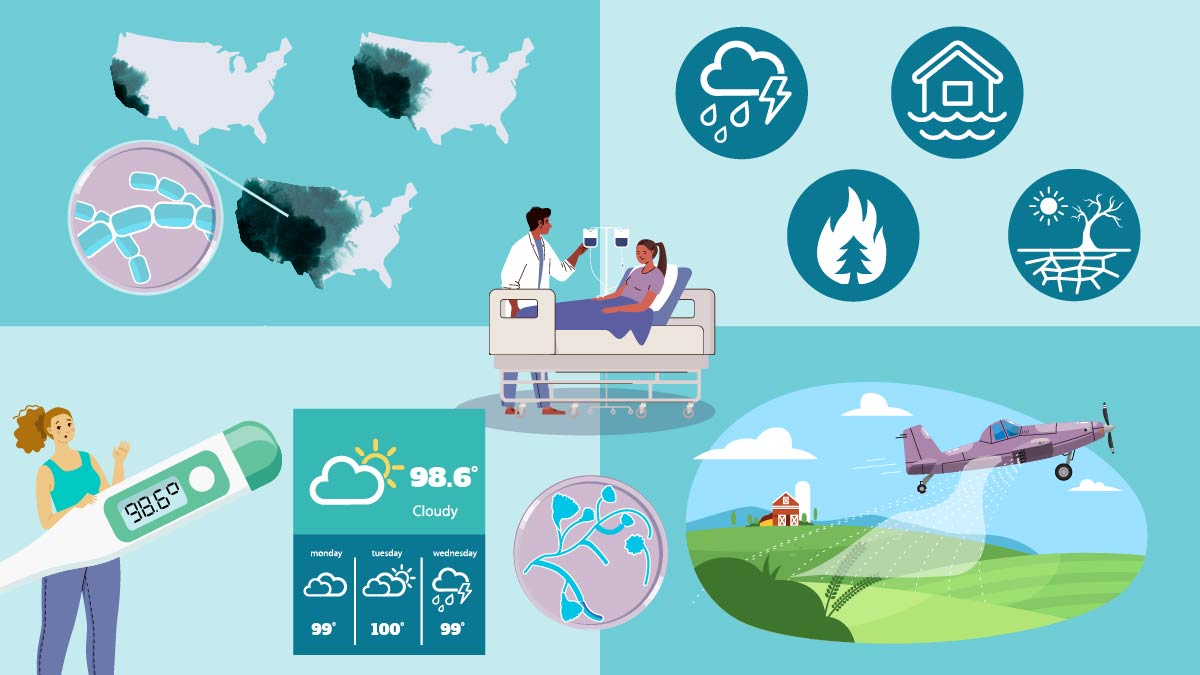
For millions of years, the human body has largely been an inhospitable environment for most fungal species. Our robust immune systems and consistently high body temperature (around 98°F or 37°C) served as natural defenses. While hundreds of fungal species can cause illness, severe or life-threatening infections were historically rare, primarily affecting those with compromised immune systems or hospitalized patients. However, this delicate balance is shifting. A warming planet is forcing fungi to adapt, making them increasingly capable of thriving at higher temperatures—temperatures closer to our own internal thermostat. This adaptation paves the way for a new era of virulent and dangerous fungi diseases that we are only just beginning to understand.
The Unseen Enemy: Why Fungi Were Historically Less Threatening
To grasp the gravity of the current situation, it's essential to understand why fungi haven't traditionally posed a widespread, acute threat to human health. The fungal kingdom is enormous, boasting millions of species. Many are crucial to ecosystems, breaking down organic matter, and others are vital for industries like food and medicine. While some fungi are known to cause diseases in plants, insects, and even cold-blooded vertebrates, humans have largely been spared from widespread catastrophic fungal infections.
Our evolutionary advantages played a significant role. The mammalian endothermic (warm-blooded) trait means we maintain a higher, consistent body temperature, which is simply too hot for most fungi to grow and reproduce effectively. Furthermore, our advanced immune systems are adept at identifying and neutralizing fungal invaders, preventing them from establishing systemic infections. Consequently, the few hundred fungal species capable of causing human illness typically resulted in mild, localized infections like ringworm or candidiasis, unless an individual's defenses were already weakened due to illness, medication, or genetic predispositions. This historical context makes the recent emergence of highly resistant and adaptable fungi particularly alarming.
Candida auris: A Harbinger of What's to Come
Perhaps no other pathogen better illustrates this alarming shift than Candida auris. This medication-resistant fungus was unknown to humanity until its discovery in 2009. What followed was a startling and unprecedented emergence:
- Independent Outbreaks: Between 2010 and 2012, Candida auris appeared independently on three different continents – Venezuela, South Africa, and the Indian subcontinent. This wasn't a case of global travel spreading a single strain; rather, distinct genetic variants emerged in geographically disparate regions, suggesting a simultaneous adaptation rather than a simple transmission chain. More recent independent emergences have been noted in Iran and Russia.
- High Resistance: A major concern with Candida auris is its alarming resistance to antifungal drugs. It has shown resistance to two of our three major classes of antifungal medications, severely limiting treatment options and making infections incredibly difficult to combat.
- Hospital-Acquired Threat: Once Candida auris enters a hospital environment, it is incredibly difficult to eradicate. It has a notorious ability to adhere strongly to surfaces – beds, railings, medical equipment – and can persist for extended periods, contributing to outbreaks in healthcare settings. It poses a significant risk to the most vulnerable patients, including the elderly, those with compromised immune systems, and individuals with underlying medical conditions.
- "Critical Pathogen" Status: The World Health Organization (WHO) has recognized the severe threat posed by Candida auris, labeling it a "critical pathogen." This designation underscores the urgency for research, development of new treatments, and enhanced surveillance. Its ability to adapt to hotter temperatures and its multi-drug resistance make it a prime example of the dangerous fungi diseases we now face.
The mystery of Candida auris's sudden and independent emergence points directly to global warming as a likely catalyst. Scientists hypothesize that as environmental temperatures rise, fungi are being forced to evolve and adapt to survive in hotter conditions. This evolutionary pressure effectively pre-adapts them to thrive at temperatures closer to human body temperature, bridging the thermal gap that once protected us.
Global Warming: The Catalyst for Fungal Evolution
Fungi are ancient organisms, having existed for millions of years. Their survival has always depended on their ability to adapt to changing environments. However, the rapid pace of climate change presents an unprecedented challenge and opportunity for fungal evolution. Here's how global warming is creating fertile ground for more dangerous fungi diseases:
- Thermal Adaptation: The most direct impact is the evolutionary pressure to adapt to higher temperatures. Fungi that can survive and reproduce in warmer environmental conditions are more likely to make the jump to infecting warm-blooded hosts like humans. Our body temperature, once a formidable barrier, becomes less of an obstacle for these heat-adapted strains.
- Expanded Geographic Ranges: As average global temperatures increase, fungi previously confined to specific cooler regions can expand their habitats. This brings them into contact with new hosts and environments, potentially leading to new infection patterns and increased exposure for human populations.
- Altered Ecosystems: Climate change impacts entire ecosystems, altering plant life, insect populations, and soil compositions. Fungi, which are integral to these ecosystems, will also change. Some may become more virulent in their natural hosts, and these changes could inadvertently increase their capacity to infect humans.
- Extreme Weather Events: Floods, droughts, and other extreme weather events can disrupt natural environments, potentially leading to increased fungal spore dispersal and human exposure, particularly through inhalation of airborne spores from disturbed soil or decaying matter.
The vast fungal kingdom holds immense pathogenic potential. If species that primarily infect plants or insects continue to adapt to higher temperatures, the implications for human health could be profound and far-reaching.
Protecting Ourselves: Understanding and Mitigating the Risk of Dangerous Fungi Diseases
The growing threat of dangerous fungi diseases, driven by global warming, demands a proactive and multi-faceted response. Since many fungal infections range from mild to life-threatening, understanding the risks and taking preventative measures is crucial.
- Enhanced Surveillance and Research:
- "Forgotten" Diseases: Fungi have long been neglected in public health funding and research compared to bacteria and viruses. Increased investment is vital to better understand fungal epidemiology, identify emerging threats like new variants of Candida auris, and develop effective diagnostics. The WHO's priority list of deadly fungi is a critical step in this direction.
- Antifungal Development: The limited arsenal of antifungal drugs, combined with growing resistance, highlights an urgent need for new classes of medications.
- Strengthening Healthcare Hygiene:
- Infection Control: Hospitals and other healthcare facilities must implement rigorous infection control protocols to prevent the spread of tenacious pathogens like Candida auris. This includes thorough cleaning and disinfection, strict hand hygiene, and appropriate isolation procedures.
- Early Detection: Rapid and accurate diagnostic tools are essential for identifying fungal infections early, especially in vulnerable patients, allowing for timely and effective treatment before they become systemic.
- Personal Awareness and Immune Support:
- Who is at Risk? Individuals with weakened immune systems – due to conditions like HIV/AIDS, cancer, organ transplantation, or certain medications – are at significantly higher risk for severe fungal infections. Awareness among these groups and their caregivers is paramount.
- General Health: Maintaining a healthy lifestyle, including a balanced diet, regular exercise, and adequate sleep, helps support a robust immune system, which is our primary defense against all pathogens, including fungi.
- Environmental Vigilance: While difficult to avoid entirely, being aware of environments rich in fungal spores (e.g., decaying wood, certain construction sites) can be helpful, especially for high-risk individuals.
- Prompt Medical Attention: Persistent or unusual symptoms, especially in high-risk individuals, should prompt a visit to a healthcare professional. Early diagnosis can make a significant difference in the outcome of a fungal infection.
- Addressing Climate Change:
- Root Cause: Ultimately, mitigating the long-term threat of evolving pathogens requires addressing the root cause: global warming. Transitioning to sustainable energy sources, reducing greenhouse gas emissions, and promoting environmental conservation are critical for future public health security.
Conclusion
The emergence of dangerous fungi diseases, exemplified by the relentless rise of Candida auris, signals a critical shift in the landscape of global public health. What was once a manageable threat, largely kept at bay by our inherent biological defenses, is now evolving under the pressure of a warming planet. Fungi, once largely "forgotten" in the pantheon of infectious disease, are proving their adaptability and pathogenic potential. A comprehensive response demands increased research and development for new diagnostics and treatments, stringent public health measures, and a collective commitment to addressing the climate crisis. Ignoring this invisible threat is no longer an option; understanding and preparing for the new era of dangerous fungi diseases is imperative for safeguarding human health worldwide.